
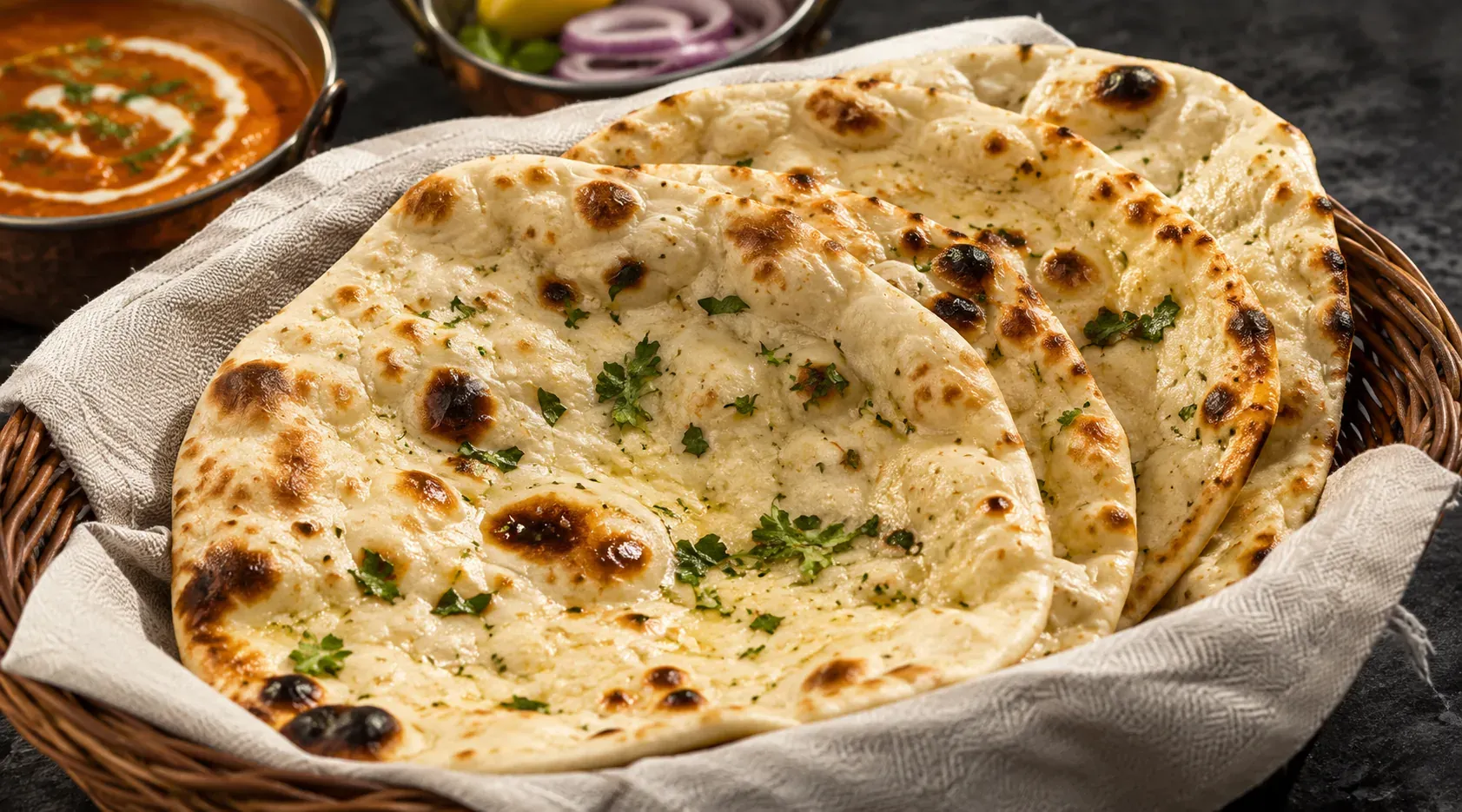
Some Indian breads are prized for their crisp edges, while others are appreciated for their richness. Rumali Roti stands apart because of its delicate texture, thin structure, and ability to complement a wide range of curries. Unlike heavier flatbreads, its softness makes it particularly enjoyable with flavorful gravies.
For diners exploring the best Rumali Roti in Frisco, TX, understanding what makes this traditional bread distinctive can help them choose a more satisfying Indian meal.
At Rotate Social, Rumali Roti offers an opportunity to enjoy a classic Indian flatbread alongside vegetarian and non-vegetarian curries. Whether you're familiar with Indian breads or trying this delicate preparation for the first time, knowing its origins, texture, and ideal pairings can make the dining experience more interesting.
What Makes Rumali Roti Different from Other Indian Breads?
Rumali Roti is a thin, soft Indian flatbread traditionally prepared by stretching dough into a large, delicate sheet and cooking it quickly on a heated surface. Its distinctive flexibility allows it to be folded easily, making it especially suitable for enjoying curries, kebabs, and other savory dishes.
Unlike naan, which is typically baked against the walls of a tandoor, Rumali Roti is traditionally cooked on an inverted, heated griddle.
Its surface remains relatively smooth, with delicate brown spots formed during cooking.
For people who prefer softer Indian flatbreads, Rumali Roti offers an alternative to thicker breads without overpowering the accompanying dishes.
The Cultural Story Behind This Delicate Flatbread
Rumali Roti has strong associations with North Indian culinary traditions, particularly the food cultures influenced by Mughal-era cooking.
Historically, elaborate meals often included a selection of breads designed to complement richly seasoned meat dishes and slow-cooked gravies.
Rumali Roti became appreciated for its light structure and practical role in these meals.
Rather than functioning as a heavy accompaniment, it could be folded, torn, and used to scoop up food.
An interesting feature of this bread is that its importance comes from technique as much as ingredients.
The preparation requires skill in stretching dough evenly without tearing it. A properly handled dough can create a broad, almost translucent sheet.
This combination of craftsmanship and simplicity helps explain why Rumali Roti remains recognizable within traditional Indian dining.
How Is Traditional Rumali Roti Prepared?
Traditional Rumali Roti is made by preparing a pliable wheat-based dough, stretching it into a very thin sheet, and cooking it briefly over high heat. The objective is to create a flexible bread with light browning while avoiding the thicker, more substantial texture associated with some other Indian flatbreads.
The Importance of Dough Elasticity
The dough must be sufficiently elastic to allow stretching without breaking.
Traditional recipes vary, with some using combinations of wheat flour and refined flour to achieve the desired texture.
Stretching the Bread
One recognizable aspect of preparation is the skilled stretching of dough into a large circular sheet.
In traditional demonstrations, cooks may rotate or toss the dough to expand it evenly.
Quick Cooking on a Heated Surface
Rumali Roti is commonly prepared on an inverted, dome-shaped griddle.
The thin dough cooks quickly because heat reaches through it much faster than through a thicker flatbread.
The result is a soft bread that can be folded into layers.
These techniques describe traditional Rumali Roti preparation rather than the specific production process used at Rotate Social.
Why Does Rumali Roti Pair Well with Indian Curries?
Rumali Roti pairs well with Indian curries because its thin, flexible texture makes it easy to tear, fold, and use for scooping gravy. Its relatively neutral flavor allows the spices, vegetables, paneer, or meat in the accompanying dish to remain the focus of the meal.
Compared with thicker Indian breads, Rumali Roti has a thinner, lighter texture that allows the accompanying curry to remain the focus.
This makes it a useful choice when the main attraction is a richly seasoned curry.
Its softness is particularly appealing with creamy gravies, while its flexible structure also works with dishes containing larger pieces of vegetables or meat.
The bread is most enjoyable when served warm, as its delicate texture can become less flexible as it cools.
For first-time diners, pairing Rumali Roti with a familiar curry is an approachable way to understand why this combination remains popular.
Which Curries Should You Try with Rumali Roti?
Choosing the right curry can reveal different qualities of this traditional Indian bread. At Rotate Social, several vegetarian and non-vegetarian preparations offer interesting pairing possibilities.
Paneer Butter Masala – A Creamy Vegetarian Choice
Paneer Butter Masala brings together soft paneer cubes and a rich tomato-based gravy.
Its creamy texture contrasts pleasantly with the thinness of Rumali Roti.
For diners who enjoy rich, creamy curries, this pairing offers a familiar starting point.
Dal Makhani – Richness with Slow-Cooked Lentils
Dal Makhani is a popular North Indian preparation traditionally made with black lentils cooked until tender.
Its thick, creamy consistency makes it suitable for scooping with soft flatbread.
Rumali Roti provides a relatively light accompaniment, allowing the earthy flavor and richness of the lentils to stand out.
Kadai Paneer Curry – For More Pronounced Seasoning
Kadai Paneer Curry combines paneer with vegetables and aromatic spices.
Compared with creamier tomato-based gravies, kadai-style dishes often emphasize peppers and a stronger spice character.
Rumali Roti offers a soft contrast to the paneer and vegetables, creating a combination of complementary textures.
Punjabi Style Butter Chicken – A Classic Non-Vegetarian Pairing
Punjabi Style Butter Chicken features chicken in a smooth, buttery tomato-based sauce.
The rich gravy makes it particularly suitable for pairing with a soft Indian flatbread.
Rumali Roti can be used to pick up pieces of chicken and enjoy the sauce without requiring a thick bread.
Karaikudi Chicken – For Those Who Enjoy Bold Spices
Karaikudi Chicken introduces a different regional flavor profile through Chettinad-style seasoning.
Its aromatic spices create a contrast with the mild character of Rumali Roti.
This is a useful choice for diners interested in combining a North Indian bread tradition with the flavors of South Indian cooking.
Together, these pairings illustrate how one flatbread can complement several distinctly different Indian regional dishes.
What Should First-Time Diners Know Before Ordering?
For someone trying Rumali Roti for the first time, the most important consideration is understanding that it differs substantially from naan or other thicker breads.
Choose your curry first: If you enjoy creamy flavors, consider Paneer Butter Masala or Dal Makhani. For stronger spice notes, Kadai Paneer Curry or Karaikudi Chicken may be more appealing.
Enjoy the bread while warm: Its softness and flexibility are important parts of the experience.
Use smaller pieces for scooping: Tearing the bread into manageable portions makes it easier to combine with curry.
Consider ordering additional bread as needed. Because Rumali Roti is comparatively thin, diners accustomed to thicker naan may find that their preferred portion differs.
These simple choices can make the meal easier to enjoy without requiring prior familiarity with Indian dining customs.
Rumali Roti and Shared Indian Dining
Indian restaurant meals often encourage sharing, particularly when several curries and breads are placed at the center of the table.
Rumali Roti fits naturally into this style of dining because it can accompany different dishes without dominating their flavors.
For two diners, selecting a vegetarian curry and a non-vegetarian curry can provide an opportunity to compare contrasting preparations.
For a vegetarian group, Paneer Butter Masala, Dal Makhani, and Kadai Paneer Curry offer different textures and levels of richness.
For diners interested in bolder flavors, combining Rumali Roti with Karaikudi Chicken creates an opportunity to explore the relationship between traditional Indian bread and regional curry styles.
This flexible approach works well for casual dinners, group meals, and occasions when guests have different preferences.
Where Can You Enjoy Rumali Roti in Frisco, TX?
Finding a traditional Indian flatbread can add variety to an otherwise familiar curry meal.
For diners looking for Rumali Roti near me in Frisco, TX, Rotate Social offers this soft flatbread alongside a selection of Indian curries and other regional dishes.
Located at 5454 Main St #123, Frisco, TX 75033, the restaurant provides an option for diners interested in exploring Indian bread and curry combinations.
Rather than choosing bread only as an accompaniment, consider how its thickness and texture influence the overall meal.
Browse the Rotate Social Indian restaurant menu to explore Rumali Roti, vegetarian curries, and non-vegetarian pairings.
For celebrations, corporate meals, or group gatherings, you can also explore Rotate Social's catering options to learn about available arrangements.
Prefer a meal at home? Explore online ordering and choose your preferred combination of Rumali Roti and Indian curry.
Frequently Asked Questions
Rumali Roti is thinner and more flexible, while naan is usually thicker and baked in a tandoor.
Paneer Butter Masala, Dal Makhani, Punjabi Style Butter Chicken, and Kadai Paneer Curry are suitable choices.
Traditional Rumali Roti is generally vegetarian, but confirm the ingredients with the restaurant if you have specific dietary requirements.
Yes. Its mild flavor and soft texture make it approachable, particularly when paired with a familiar curry.
A Traditional Bread That Complements Every Meal
Rumali Roti demonstrates how preparation techniques can give a simple Indian flatbread a distinctive culinary identity.
For diners who appreciate softer breads, it offers a contrast to naan and other substantial flatbreads. For those exploring Indian curries, its delicate structure encourages greater attention to the flavors and textures of the main dish.
At Rotate Social in Frisco, TX, Rumali Roti provides another way to explore the diversity of Indian food, bringing together a traditional bread and a range of regional curry preparations in one dining experience.